




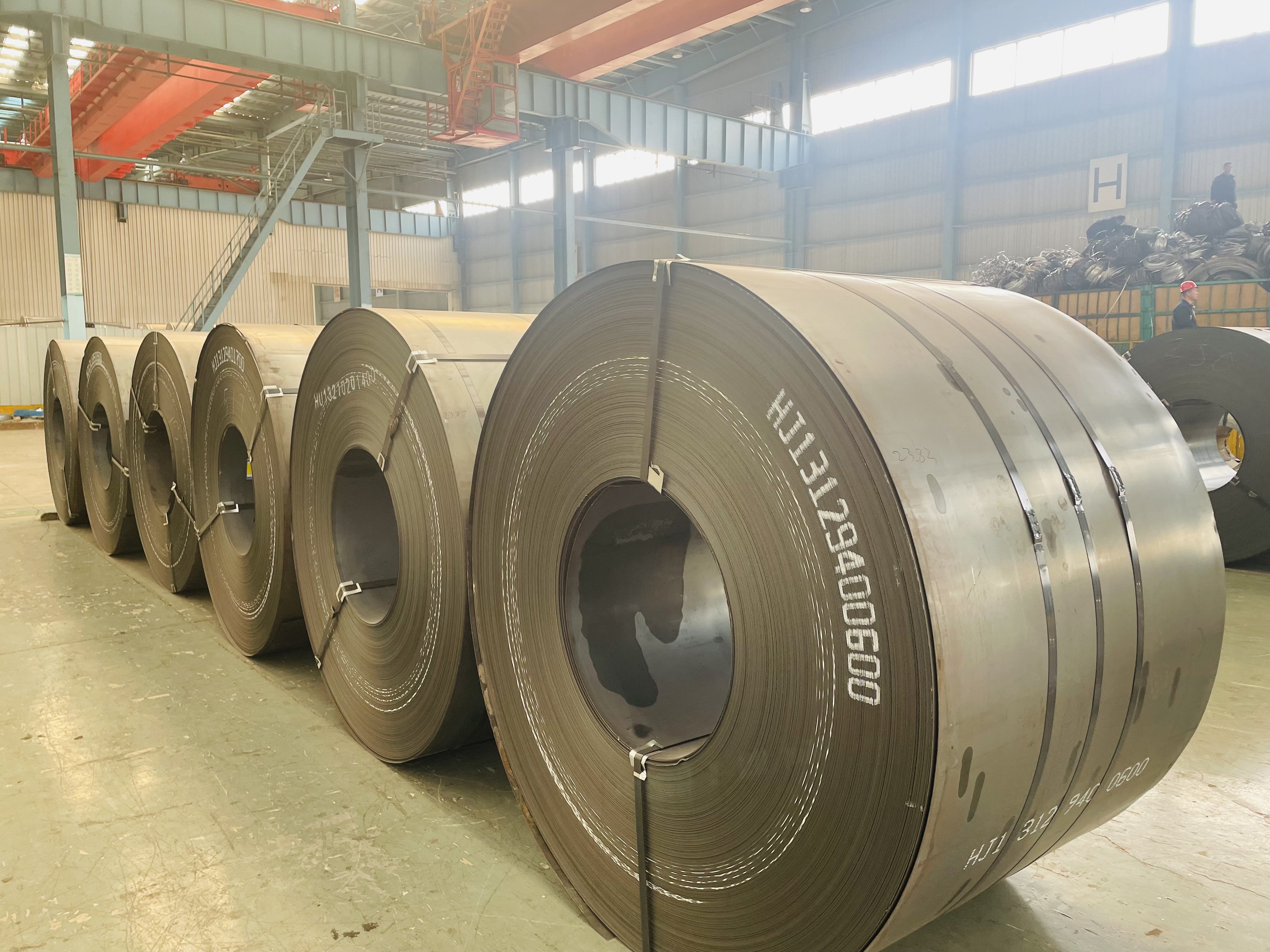
Definition And Product Forms
Steel Coil and Plate refers to flat-rolled steel supplied either as a continuously wound strip or as a cut, flat sheet with a specified thickness, width, and length. Coil is commonly selected where automated feeding, stamping, roll forming, slitting, or high-volume conversion is required. Plate is generally preferred for structural parts, heavy fabrication, machining, pressure-containing equipment, and components that need greater section thickness or individual piece handling.
The distinction is practical as well as dimensional. A coil creates material continuity and can be processed into blanks, narrow strips, or customer-defined lengths. A plate arrives as an individual unit and may be burned, drilled, bent, welded, or machined directly. Product descriptions should therefore state the delivery form, nominal dimensions, edge condition, flatness expectation, and whether the material will undergo further processing before installation.
Buyers should not treat Steel Coil and Plate as interchangeable commodity terms. The specified steel grade, rolling condition, mechanical properties, surface condition, and dimensional tolerances determine whether the material can perform in a particular operation. A thin coated coil for appliance panels, for example, has a very different purchasing profile from a thick structural plate intended for welded load-bearing assemblies.
Production Principles And Material Behavior
Steel Coil and Plate normally begins with steelmaking, casting into slabs, reheating, and hot rolling to reduce thickness. Hot-rolled products retain a mill-scale surface and are widely used where strength, weldability, and economical section reduction matter more than cosmetic appearance. Further pickling can remove oxide scale, while cold rolling produces tighter thickness control, a smoother surface, and improved suitability for precision forming applications.
Mechanical performance depends on chemistry and processing history. Carbon content, alloy additions, grain structure, rolling reduction, heat treatment, and coating each influence yield strength, tensile strength, elongation, bendability, hardness, and corrosion resistance. Higher strength can reduce section weight, but it can also increase springback, tool wear, bend-radius requirements, and welding sensitivity. Selection must consider the complete fabrication route rather than only a datasheet strength value.
Residual stress, coil set, edge wave, center buckle, and camber can affect downstream productivity. Flatness requirements should match the cutting, stamping, laser processing, or assembly method. For coil-fed lines, buyers also need to assess inner diameter, outer diameter, coil weight, winding direction, and secure packaging. These operating details often decide whether material runs steadily through equipment or causes avoidable setup time and scrap.
Main Steel Coil And Plate Categories
Carbon steel is the broadest category and includes commercial-quality, drawing-quality, structural, and higher-strength grades. Hot-rolled carbon Steel Coil and Plate is common in frames, brackets, agricultural equipment, tubes, and general fabrication. Cold-rolled carbon steel is often chosen for tighter dimensional requirements, exposed components, cabinets, furniture, and formed parts where a cleaner surface and predictable deformation behavior are valuable.
Coated steel adds a protective metallic or organic layer to improve corrosion performance or appearance. Zinc-coated, zinc-aluminum-coated, and pre-painted products are used in roofing, cladding, ductwork, appliances, and fabricated enclosures. Coating mass, paint system, substrate grade, surface treatment, and forming requirements should be specified together. A coating suitable for flat panels may crack or lose adhesion if it is used in a severe drawing or tight-bending operation without proper selection.
Stainless steel and alloy steel meet applications requiring corrosion resistance, elevated-temperature behavior, higher wear resistance, or specialized mechanical properties. Stainless grades differ significantly in corrosion performance, forming response, and weldability, while alloy plates may serve machinery, energy, transportation, or wear-intensive duties. Buyers should request the grade standard and condition clearly rather than relying on informal descriptions such as stainless, hardened, or heavy-duty steel.
Thickness Surface Finish And Tolerance Selection
Thickness is a primary purchasing variable because it controls stiffness, load capacity, forming force, weight, and material yield. Nominal thickness alone is insufficient when parts are precision-cut, stacked, welded in fixtures, or designed to a defined mass. The purchase specification should identify the applicable thickness tolerance standard, measurement position, and any tighter project-specific limit. This prevents disputes when material is technically compliant but unsuitable for an especially sensitive process.
Surface finish affects paint adhesion, welding preparation, corrosion behavior, visual appearance, and friction in forming dies. Hot-rolled surfaces can carry scale and require cleaning before coating or certain joining operations. Pickled and oiled products provide a cleaner surface with temporary protection. Cold-rolled, brushed, polished, or coated finishes may support visible applications, but each finish should be evaluated for handling marks, film compatibility, and the expected service environment.
Tolerance review should include thickness, width, length, flatness, camber, squareness, edge burr, and coil telescoping where relevant. Tight tolerances increase manufacturing control and can add cost, so they should be reserved for dimensions that directly affect fit, automation, safety, or regulated compliance. A capable buyer distinguishes between critical dimensions that need a firm tolerance and noncritical dimensions where standard mill tolerance provides a more economical result.
Applications Standards And Procurement Fit
Steel Coil and Plate supports diverse sectors, including building systems, automotive supply chains, industrial machinery, storage equipment, shipbuilding, energy infrastructure, HVAC fabrication, and metal furniture. Coil is particularly effective in repetitive production where strip yield and automated processing improve efficiency. Plate is well suited to one-off or lower-volume fabricated structures, base frames, heavy brackets, tanks, and equipment components requiring individual handling and robust weld preparation.
Market-access requirements vary by destination and application. Buyers may need material supplied to recognized ASTM, EN, JIS, ISO, GB, or project-specific specifications, depending on the relevant contract and end-use regulations. The purchase order should align grade, dimensions, test-document expectations, marking, packaging, and traceability requirements. Standards should be confirmed against the customer drawing and governing project documents rather than assumed from a generic grade name.
For buyers sourcing steel and profiles, Deson Metal can be considered as a supply partner when a project needs clear specification communication across Steel Coil and Plate, cut material, and related steel forms. A practical sourcing discussion should focus on intended application, grade equivalency, processing needs, dimensional tolerances, shipment format, and document requirements. This approach helps define a commercially workable offer without implying unsupported certifications, inventory, or application claims.
Quality Control Handling And Fabrication Guidance
Quality control starts before shipment through review of the agreed specification and continues at receiving inspection. Useful checks include heat or batch identification, quantity, dimensions, visual surface condition, packaging integrity, and required material documentation. Where the contract calls for it, buyers may verify chemical composition and mechanical properties against the applicable standard. Any inspection plan should state sampling methods, acceptance criteria, reporting format, and the process for handling nonconforming material.
Storage practices preserve the value of Steel Coil and Plate. Keep material dry, protected from condensation, separated from corrosive substances, and supported to avoid distortion. Coils require secure saddles, chocks, and lifting equipment designed for coil handling; incorrect lifting can damage edges or create serious safety risks. Plates should be stored on level supports with adequate separation for identification, inspection, and safe access by lifting equipment.
Fabricators should validate cutting parameters, bend radii, welding procedures, and coating preparation on representative material before full production. Coated and stainless products deserve particular attention because surface damage can reduce corrosion performance or affect appearance. Traceability should remain connected to cut parts where contract requirements demand it. Early trial runs are usually less costly than correcting tool, weld, or finish problems after a large coil or plate lot has entered production.
Total Cost Ownership And Future Trends
The delivered price of Steel Coil and Plate is only one element of total cost of ownership. Buyers should evaluate grade availability, yield loss, nesting efficiency, slitting or cut-to-length requirements, freight, unloading capability, storage, testing, rejects, rework, and production downtime. A lower unit price can be outweighed by inconsistent dimensions, unsuitable surface condition, excessive trim loss, or packaging that does not match the receiving and manufacturing workflow.
A sound ROI comparison uses the finished component rather than the raw-material ton as the unit of analysis. Compare usable kilograms per part, processing speed, scrap rate, tooling life, coating or cleaning steps, and expected field durability. Consolidating compatible requirements can improve buying leverage, but over-standardization can create fabrication compromises. The best commercial choice is often the specification that reduces total conversion cost while maintaining necessary technical margin.
Future demand is shaped by lightweight design, higher-strength grades, corrosion-resistant coatings, lower-emission production routes, recycled-content reporting, and digital traceability. Buyers are increasingly asking suppliers for more consistent documentation and material visibility across the supply chain. Procurement teams should review specifications periodically as new grades and processing capabilities become available, while keeping qualification discipline in place before replacing established Steel Coil and Plate materials in critical applications.
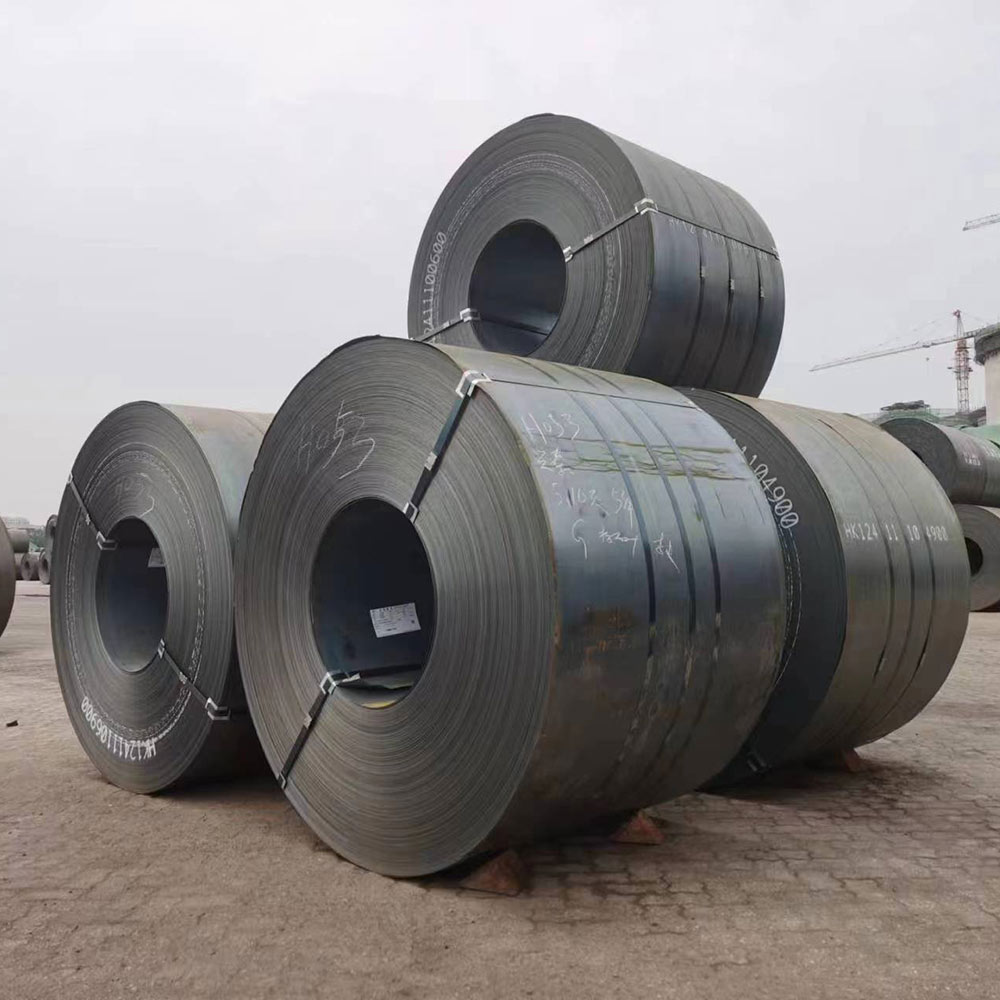
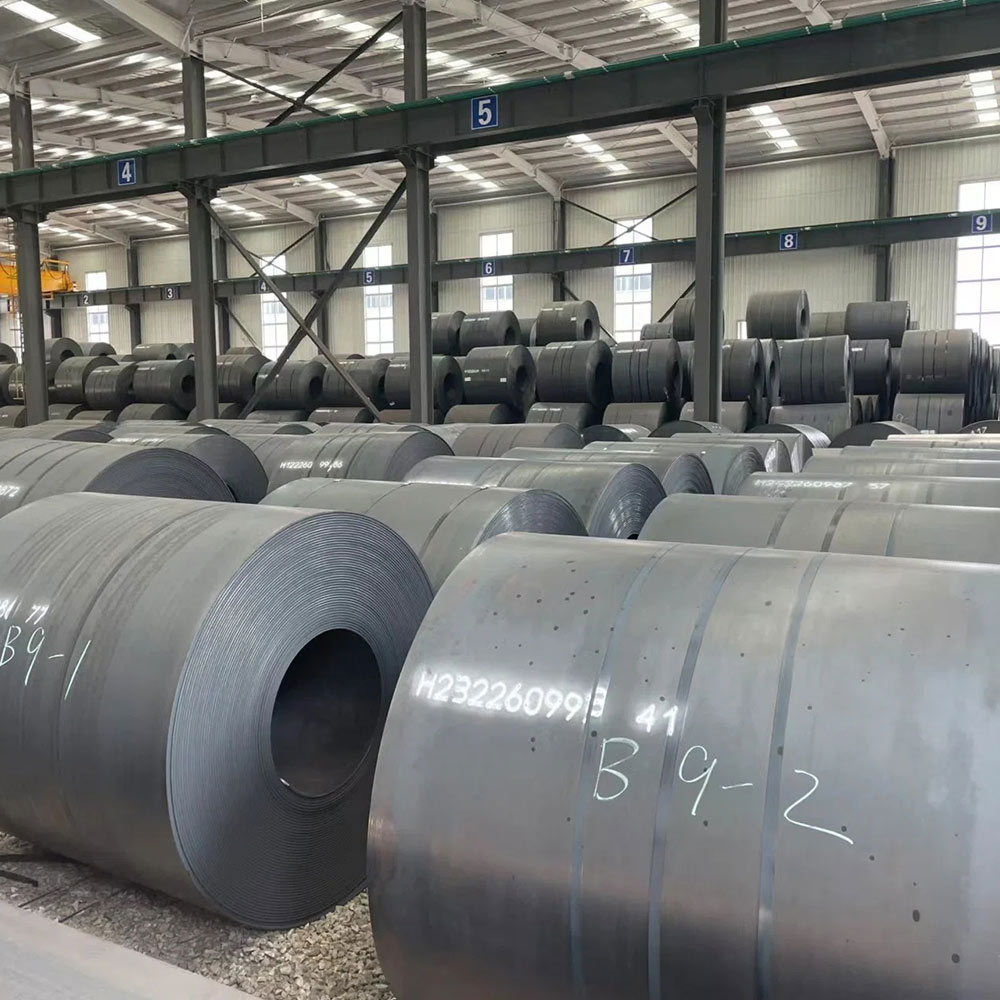
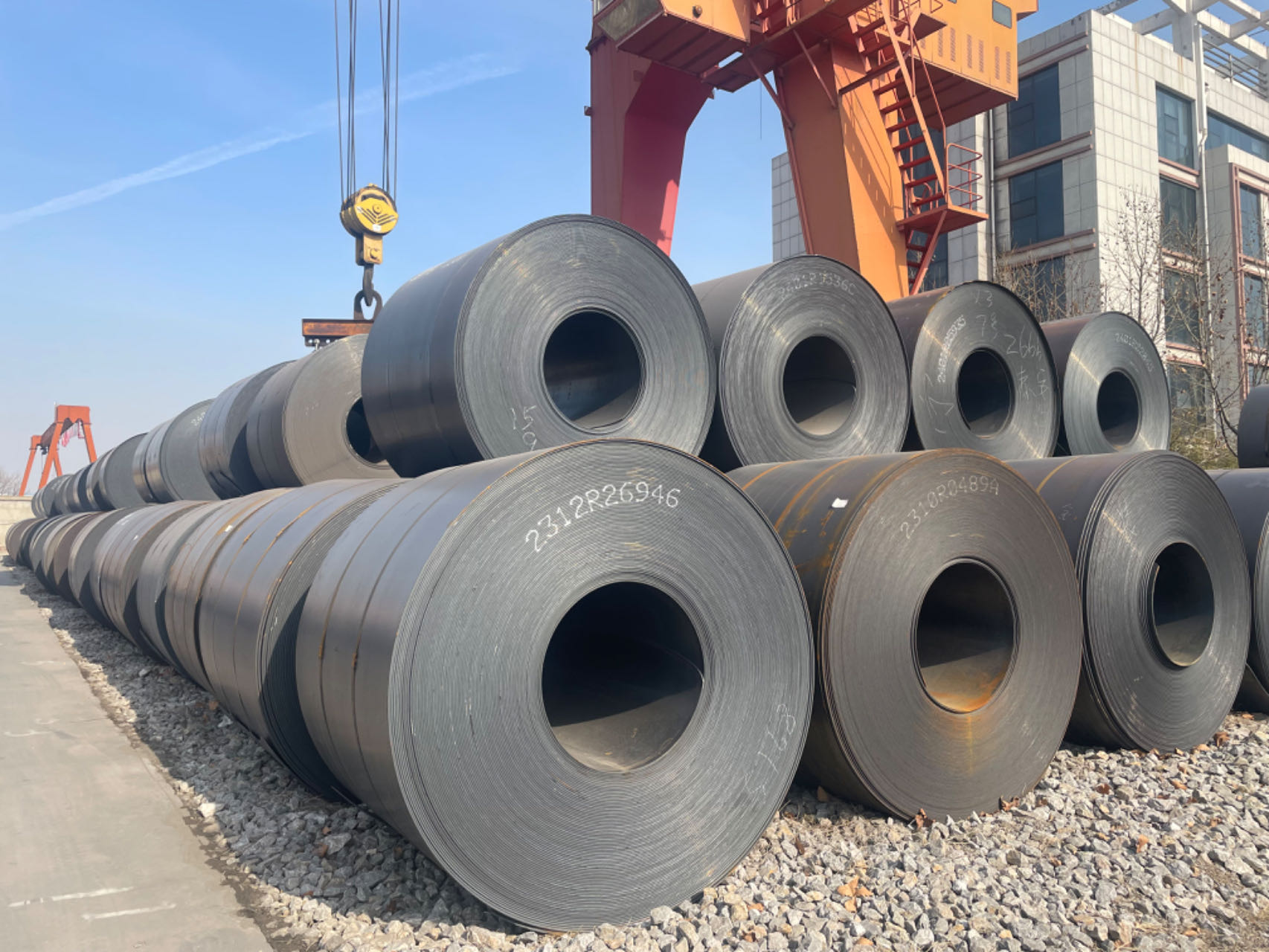
 Hot Rolled CoilHot rolled coils and plates are manufactured by heating steel billets to 1100–1300℃, then continuous hot rolling, cooling, coiling and cut-to-length shearing under high-temperature plastic forming process. It features high production efficiency and high material yield without secondary cold treatment.
 Hot Rolled CoilHot rolled coils and plates are manufactured by heating steel billets to 1100–1300℃, then continuous hot rolling, cooling, coiling and cut-to-length shearing under high-temperature plastic forming process.
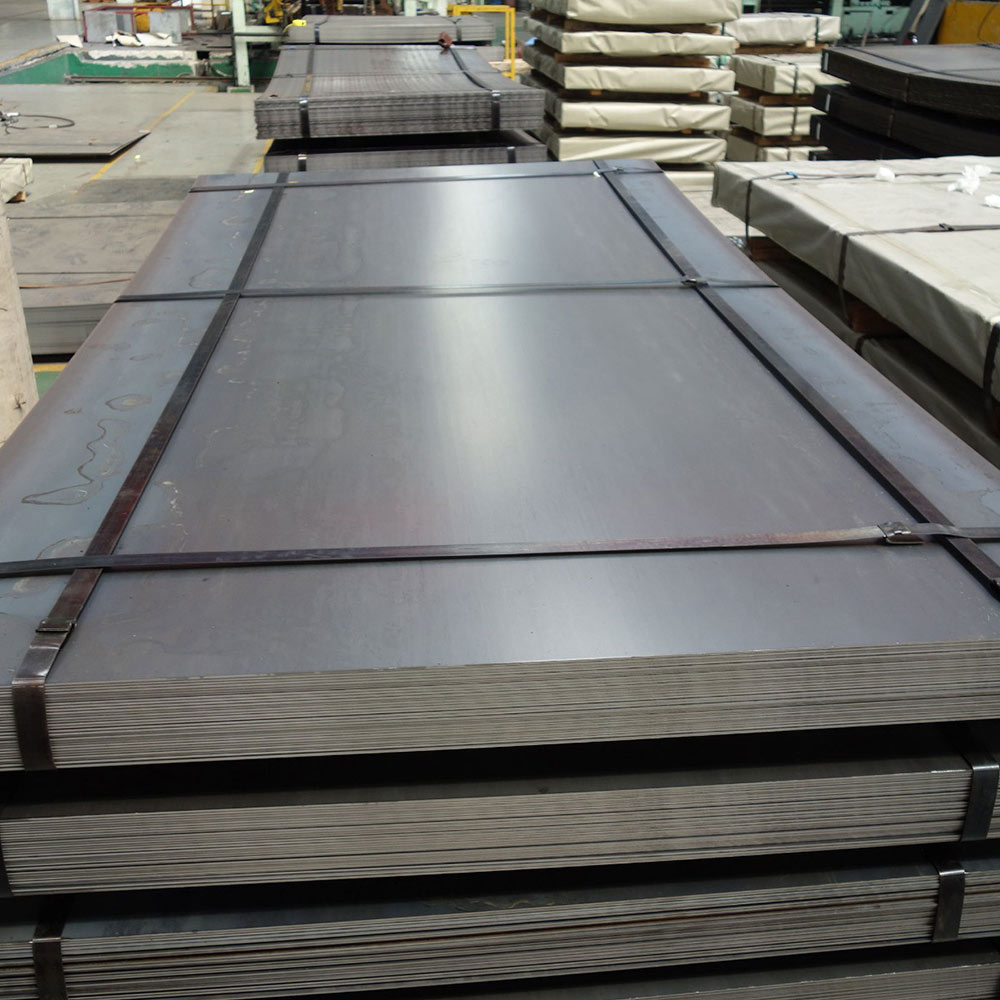
 Hot Rolled PlateHot rolled coils and plates are manufactured by heating steel billets to 1100–1300℃, then continuous hot rolling, cooling, coiling and cut-to-length shearing under high-temperature plastic forming process. It features high production efficiency and high material yield without secondary cold treatment.